
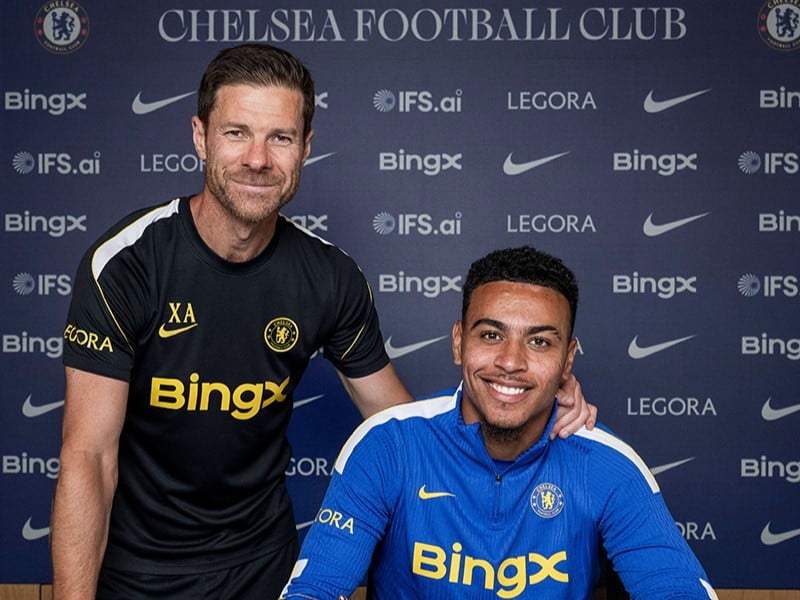
Chelsea’s record-breaking £117 million acquisition of Morgan Rogers sent shockwaves through the Premier League, especially as Arsenal had long pursued the England international as their top target. But the Blues moved swiftly and decisively, persuading Rogers that Stamford Bridge offered the ideal stage for his talents, with Xabi Alonso emerging as a pivotal figure in sealing the deal.
The 24-year-old arrives after cementing his reputation as one of England’s most dynamic attacking threats over the last two campaigns. His exploits for Aston Villa and the Three Lions even fueled debates about whether he could challenge Jude Bellingham for a World Cup starting berth—a testament to how far he has risen.
Why Chelsea broke the bank for Rogers
The eye-watering fee instantly places Rogers among football’s most expensive ever signings, cranking up the pressure. Yet Chelsea are convinced his unique skill set makes him a perfect puzzle piece for Alonso’s system, with the manager fully backing the move throughout the negotiations.
Unlike Arsenal, Chelsea can offer greater positional versatility and more minutes within a rotating squad. Rogers thrives as a No. 10, on either flank, or even in a deeper midfield role—giving Alonso a wealth of tactical options depending on the opponent.
His attacking numbers are matched by relentless off-ball work. Rogers blends goals and assists with constant movement, while his willingness to fire from distance gives Chelsea another weapon against deep-sitting defences. Last term, he outperformed his expected goal and assist metrics, underscoring his clinical edge in the final third.
The England star also steps into familiar surroundings. Strong bonds with Cole Palmer, Reece James, and several former Manchester City academy graduates should help him hit the ground running as he embarks on this new chapter.
Alonso’s tactical vision for Rogers
At Villa, Rogers was the focal point of Unai Emery’s attack. Chelsea will demand he adapt to a different role, but his intelligent movement off the ball could become one of his biggest assets under Alonso.
Alonso has yet to nail down his preferred formation. If Chelsea deploy a back three, Rogers could operate on the left side of the attack, though fitting him alongside Palmer, Joao Pedro, and Estevao Willian would pose a selection puzzle. A 4-2-3-1 or 4-3-3 would allow more attacking talent to coexist, with Rogers either in midfield or just behind the striker.
Palmer’s injury struggles last season also reinforce the logic behind the signing. Chelsea now have another player capable of shouldering creative responsibilities whenever their star playmaker is sidelined.
Tactical questions remain. If Rogers starts from the left in a back-four system, Chelsea will need reliable width elsewhere; a back-three setup naturally lets wide players stretch the pitch more effectively.
Rogers’ strengths and what Chelsea expect
The transfer fee inevitably brings scrutiny, but Chelsea aren’t demanding Rogers become a Ballon d’Or contender just because of the price tag. Consistent attacking output for a side chasing major honours would already represent solid value.
One area to watch is how efficiently Rogers performs with fewer touches than he enjoyed at Villa. Last season, he lost possession more than any other Premier League player and ranked among the league leaders for giveaways in advanced areas. Chelsea, however, see that as the natural cost of an ambitious player constantly trying to create rather than playing it safe. Their deeper attacking pool should also cushion the impact of occasional quiet spells.
Chelsea’s spending spree and Financial Fair Play
While the £117 million deal is one of football’s biggest ever, Chelsea have balanced heavy outlay with substantial income from player sales. Departures like Marc Cucurella, Andrey Santos, and Tyrique George, plus compensation for Enzo Maresca’s exit, have generated significant funds, and further transfers could improve the club’s financial standing.
Chelsea also benefit from transfer accounting rules. Sale income is recognised immediately, while Rogers’ cost is spread over five years, leaving only a fraction of the total fee on this season’s books. The club believes this approach, combined with the long-term value of its academy, offers flexibility within Financial Fair Play constraints.