
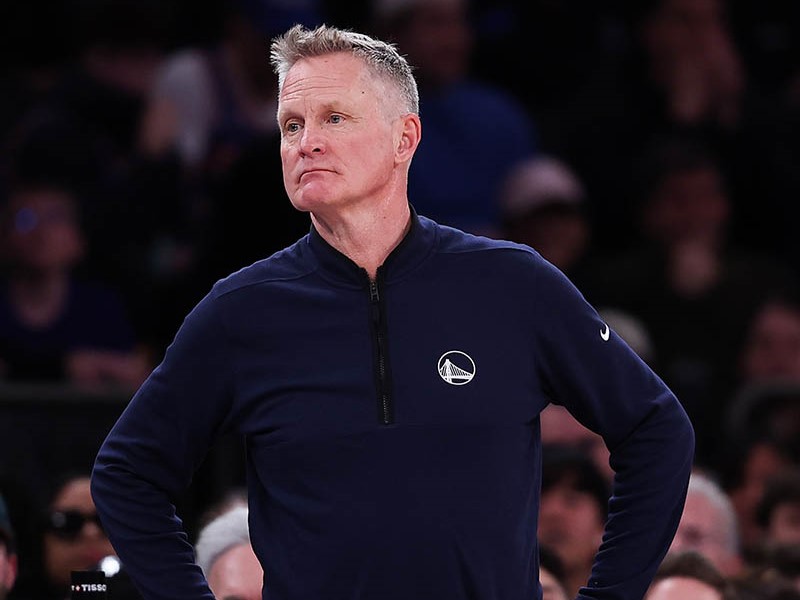
Golden State Warriors coach Steve Kerr has long argued that the NBA’s 82-game regular season is too long. He first raised the topic publicly in 2017, and this season it has become a more frequent talking point. Following a loss to the Utah Jazz last week, Kerr suggested reducing the schedule from 82 to 72 games, saying it would create “a more competitive and healthier league.”
Before Sunday’s game against the New York Knicks, Kerr once again called for a “meaningful discussion” about the possibility of shortening the season. Acknowledging the financial implications, he admitted that fewer games would mean lower revenue and pay cuts, but he said he would support such a change to ensure the quality of the product remains high.
Despite Kerr’s willingness to sacrifice financially, any reduction in games would face significant resistance. Fewer contests would initially reduce television and ticket revenue, affecting both players and owners. Advocates argue that a shorter schedule could eventually increase the value of each game by making them scarcer and more consequential, though this remains theoretical.
Physical demands and player health
Kerr has emphasized that the modern NBA’s style of play is especially taxing on players’ bodies. Today’s games are faster and involve more movement than in previous eras. Since Kerr became Warriors coach in 2014-15, the league’s pace has increased from 93.9 possessions per game to 99.3 this season. The addition of more shooters and ball-handlers has increased lateral movement and the frequency of starting and stopping, which Kerr and others believe contributes to a rise in soft-tissue injuries.
Tracking data from the 2013-14 season shows the significant physical demands on players. For instance, the San Antonio Spurs, who led the league in distance traveled per game that season, covered 17.8 miles per game. By comparison, that figure now ranks only 17th in the NBA, reflecting broader changes in player movement over time.
Kerr has also highlighted how the demanding schedule limits practice opportunities. During an extended road trip in November, he noted his team went an entire eight-day trip without a single practice, leaving no time for either preparation or recovery. He argues that fewer games would allow for more practice days and potentially improve overall game quality.
Balancing quality and business
Kerr stressed that his interest in shortening the schedule is rooted in providing fans with the best possible product and maintaining strong relationships with corporate partners. He suggested there may be a way to reduce games without ignoring the clear issues related to schedule-related injuries.
At present, there is no visible momentum within the NBA toward reducing the number of regular-season games. While the idea has gained traction in media discussions, Kerr remains the most prominent league figure advocating publicly for this change. However, convincing players and owners to accept potential pay cuts for the sake of game quality is likely to remain a major challenge.