
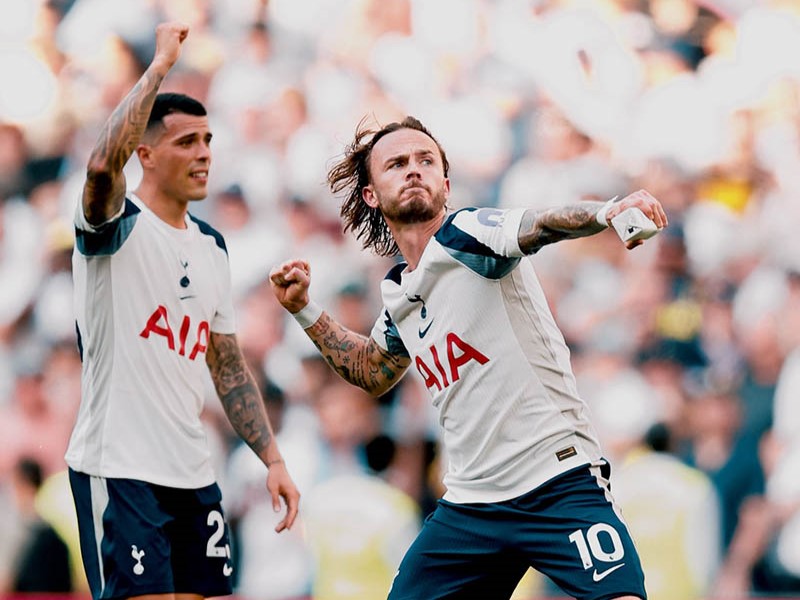
The heaviest sigh of relief was heard all across England, emanating from North London on Sunday, 24th May, 2026. That was the day the 2025/26 Premier League season came to an end, and the day that Tottenham Hotspur confirmed they will remain a top-flight team for at least one more season. For a club that entered the decade talking about trophies, Champions League final football, and long-term growth, Spurs found themselves battling against humiliation.
Spurs would avoid relegation on the final day after a tense 1-0 victory over Everton. The relief inside the Tottenham Hotspur Stadium was enormous, but so was the damage left behind by one of the worst league campaigns in the club’s modern history. This was not one bad month or a temporary dip in form. Tottenham lost six consecutive matches at one stage, endured a 15-game winless league run, and changed managers multiple times during the season. For long stretches, relegation looked not only possible but deserved.
Why did Spurs struggle so badly?
Things never really changed from Ange Postecoglou’s first season. The Australian came with unique ideas that felt almost impossible to replicate at a club like Spurs, and even though he ended a long trophy drought, they would suffer domestically. Things did not change much going into the 2025/26 season, and the club chose to let go of the man who ended their title drought. From there, it was downhill.
That decision created another hard reset at a club already known for constant managerial changes. Thomas Frank was brought in to stabilise the team but was unable to stamp his own technical imprint the way he did at Brentford. Reports throughout the season claimed that the man dealt with tactical confusion, dressing-room frustration, and declining confidence levels. Spurs still had some of Postecoglou’s methods and were unable to fully transition in the brief period that Frank spent.
Then there were their recruitment errors. They let go of a number of key players without properly replacing them, while injuries exposed the squad’s lack of depth. This particular issue was highlighted several times by managers and the media, with Postecoglou himself describing the club once as being on a “slippery slope,” with fear and uncertainty clearly affecting performances.
Does Tottenham finally look beyond the crisis?
Now that they have survived thanks to the efforts of their fourth manager of the season, Roberto De Zerbi, we could say that they have at least stabilised their shaky foundation. The Italian came late in the season and gave Spurs structure and direction again. They collected 11 points from seven games under him, which proved to be enough to escape relegation after months of collapse. His tactical clarity immediately improved performances, while players appeared more committed and organised.
More importantly, De Zerbi seems prepared to rebuild aggressively. Reports suggest he wants a smaller, more committed squad built around tactical discipline, energy, and technical quality rather than reputation alone. That is the stabilisation referenced earlier. However, other issues remain. Fan frustration toward the ownership remains intense, recruitment questions remain unresolved, and Spurs have now finished 17th in consecutive seasons.
They may have escaped relegation, but the season exposed how fragile the club has become. This could become another West Ham United case all over again, where they go from being threats to losing their edge and ultimately failing to stay up.