
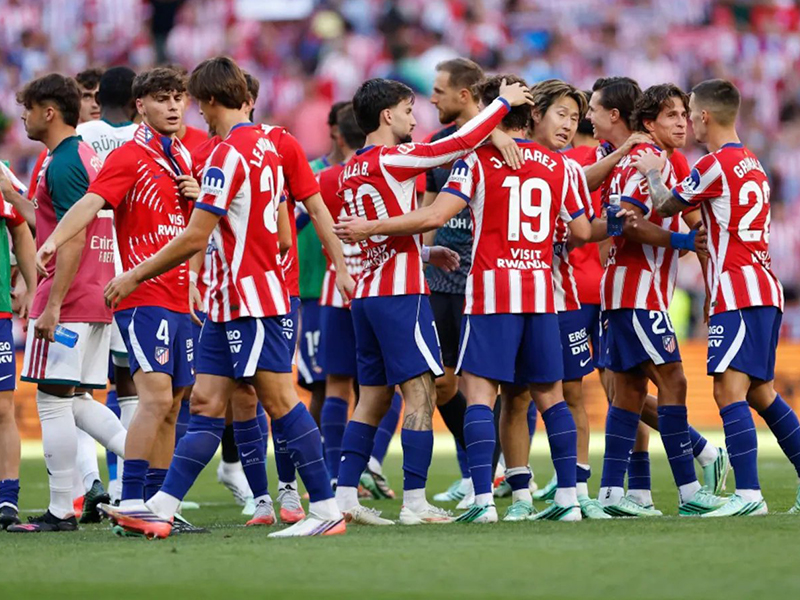
Real Madrid endured their second La Liga loss of the campaign as Atlético de Madrid defeated José Mourinho’s team 2-1 at the Metropolitano on Sunday. This result leaves Madrid six points adrift of Barcelona after seven league fixtures, heaping more pressure on Mourinho just two months into his second tenure at the club.
The opening half was mostly cagey, with neither team generating many opportunities. Los Rojiblancos controlled more of the ball but found it difficult to convert that into clear-cut chances, whereas Madrid aimed to strike on the counter. The contest shifted when Dean Huijsen received a red card early in the second period for a last man foul on Giuliano Simeone. Reduced to 10 players, Madrid found it hard to keep Atlético at bay and managed only 0.32 expected goals, their lowest figure in a La Liga fixture since February 2015.
Atlético capitalised on their extra man and ultimately claimed the derby win. Even Antonio Rüdiger’s late header could not break the home side’s determination to secure all three points. Every Madrid derby carries importance for historical reasons and each team’s seasonal ambitions, but this outcome was especially harmful for Mourinho and Madrid.
Was appointing Mourinho the wrong call?
This question emerged after Madrid’s opening few games. And although it remains too soon to label Mourinho’s return a failure, Pérez’s choice is already growing more difficult to justify. The reasoning behind the appointment made sense. Madrid had gone through a difficult 2025/26 season, with Xabi Alonso departing in January and Álvaro Arbeloa failing to bring the team back into the title race.
Mourinho brought experience, authority, and a demonstrated ability to handle challenging dressing rooms, one of the factors he was identified for amid their difficulties under Alonso and Arbeloa last season. There were also grounds for encouragement. Mourinho had led Benfica through an unbeaten league season before coming back to Madrid, proving he could still deliver solid defensive structure and competitive sides. But the early evidence at Madrid raises familiar concerns.
Mourinho’s biggest asset has historically been organisation, discipline, and making teams very hard to defeat. This version of Madrid as assembled by him, though, is still finding it difficult to dictate matches. Against Atlético, they produced little and grew more passive following Huijsen’s sending off.
That is especially troubling since Madrid’s squad has sufficient attacking quality to warrant a more reliable attacking framework. The task now facing the veteran is to devise a system that brings out the best in Mbappé, Vinícius, Jude Bellingham, and the club’s other forwards without compromising defensive solidity.