
Andy Beattie (1954)
Andy Beattie’s case in 1954 was not a direct dismissal, as he stepped down after the Scottish FA restricted his World Cup squad selection to just 13 players for Scotland’s debut tournament. The limited preparation and selection constraints framed a difficult situation from the start, shaping expectations around their performances.
Scotland’s opening match ended in a 1-0 defeat to Austria, a result described in context as respectable given Austria’s strength at the time. The team then suffered a heavy 7-0 loss to Uruguay, a match played in extreme heat while wearing heavy woollen shirts, adding to the difficulty of the occasion.
These results formed part of a broader picture of early Scottish World Cup struggles, with future appearances described as continuing in similarly chaotic fashion. Beattie’s departure closed a short and turbulent tournament experience.
Carlos Alberto (1998)
Carlos Alberto’s tenure with Saudi Arabia at the 1998 World Cup ended after two matches, following a defeat-heavy start to the tournament. Their opening game was a 1-0 loss to Denmark in Lens, played in cold conditions and marked by a lack of quality in performance.
A second match brought a heavy defeat against the host nation, which proved decisive in the decision to remove him from his role. The early elimination highlighted a clear drop in performance compared to their previous tournament showing in 1994.
After his exit, Saudi Arabia managed to earn a 2-2 draw against South Africa in their final group match, a game that included goals from Sami Al-Jaber and Shaun Bartlett. Carlos Alberto’s tournament ended after having managed across multiple World Cups before this final setback.
Cha Bum-kun (1998)
Cha Bum-kun’s spell as South Korea’s manager in 1998 ended after two defeats that resulted in early elimination from the tournament. The team conceded eight goals across losses to Mexico and the Netherlands, which sealed their fate before the final group game.
South Korea had entered the competition still searching for their first World Cup win, and their status at the time reflected limited experience at this level. Following the defeats, the federation decided to replace Cha Bum-kun.
His successor oversaw a final group match against Belgium, which ended in a 1-1 draw and prevented their opponents from progressing. Cha Bum-kun’s tenure is also noted for later claims attributed to him regarding off-field issues in domestic football, as recorded in the original account.
Henryk Kasperczak (1998)
Henryk Kasperczak’s time in charge of Tunisia at the 1998 World Cup ended after two matches, following early elimination from the group stage. Their campaign began with a 2-0 defeat to England in Marseille, a match also remembered for pre-match crowd trouble.
Their second game was a narrow and closely contested defeat against Colombia, a match described as chaotic but low scoring. Despite competitive moments, Tunisia was unable to secure results in either fixture.
After these outcomes, the decision was taken to dismiss Kasperczak. Tunisia then finished their tournament with a 1-1 draw against Romania, which provided a small measure of consolation before the end of their campaign.
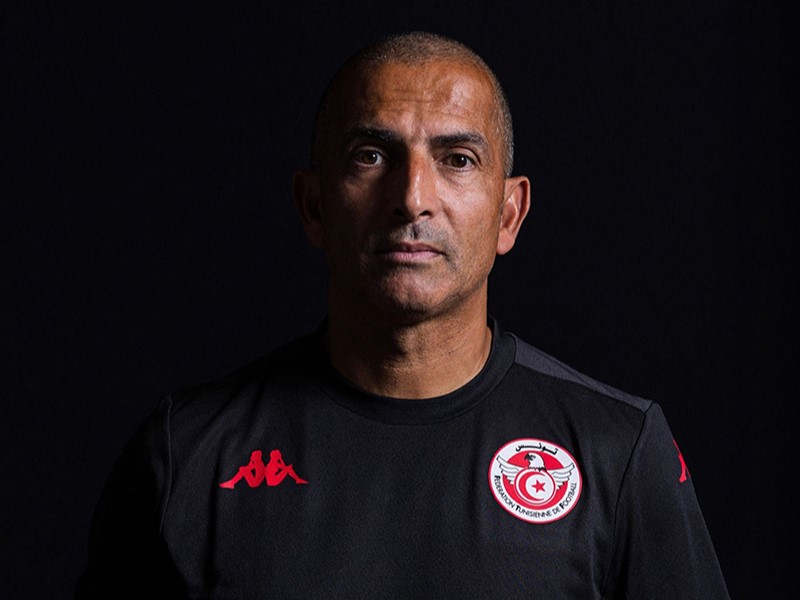
Sabri Lamouchi (2026)
Sabri Lamouchi’s departure in 2026 came after just one match, making it an unusually early managerial change in World Cup history. Tunisia suffered a 5-1 defeat to Sweden in their opening group game, a result described as a significant shock given expectations.
The performance contrasted with Tunisia’s recent tournament pattern of narrow results and draws, making the margin of defeat stand out. Sweden was acknowledged as a strong opponent despite a difficult qualification period.
Following the loss, Lamouchi was replaced by Hervé Renard for the remaining group matches against Japan and the Netherlands. The appointment continued a familiar trend of Tunisia turning to experienced figures during major tournaments.