
A group of leading international scientists has warned that FIFA’s existing heat safety approach for the men’s 2026 World Cup may be insufficient and could expose players to serious health risks. In an open letter, experts in climate, health, and sports performance argue that current guidelines are not aligned with up-to-date research and describe them as difficult to justify.
The scientists say that conditions expected at many of the tournament venues could lead to dangerous levels of heat stress. They highlight that temperatures in several host cities may reach levels considered risky for elite athletic performance during the summer competition across the United States, Canada, and Mexico.
Researchers also point out that environmental conditions combining heat, humidity, wind, and solar radiation can significantly increase strain on the body. They warn that this combination raises the likelihood of extreme physiological stress for players during matches.
FIFA’s existing heat protocols and measures
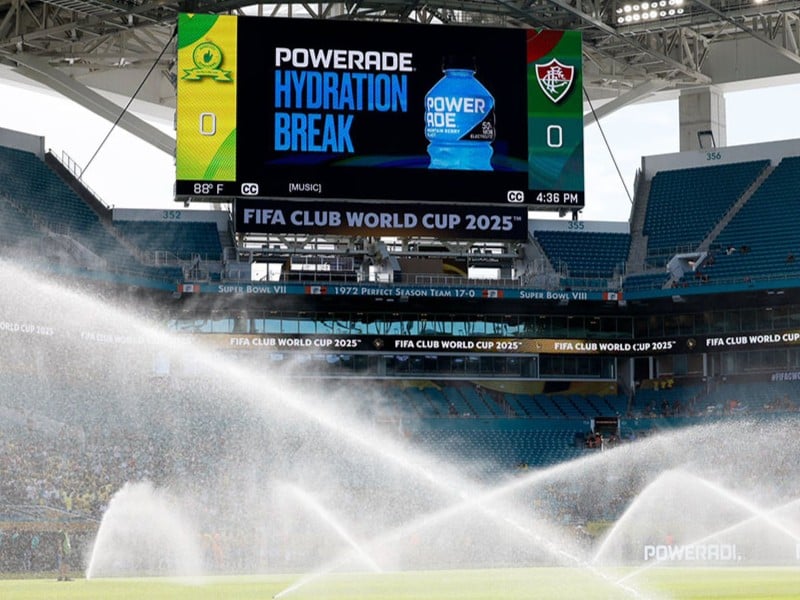
FIFA states that it has put player welfare at the centre of its planning and has introduced mandatory three-minute cooling breaks in both halves of every match, regardless of weather conditions. It also says that team benches for staff and substitutes will be climate-controlled in all outdoor stadiums.
The governing body relies on wet-bulb globe temperature readings to assess heat stress, a system that combines temperature, humidity, and other environmental factors. According to FIFA’s medical guidance, when this measure approaches or exceeds certain thresholds, match officials are expected to consider additional precautions to prevent heat-related illness.
At the same time, FIFA has outlined fan-related precautions for hot conditions, including allowing sealed water bottles into stadiums and providing extra cooling options. These include shaded areas, misting systems, cooling transport vehicles, and expanded access to drinking water.
Calls from experts for stronger protections
The scientists behind the letter, numbering around 20 and based across multiple countries, are urging FIFA to strengthen its safeguards before the tournament begins. Their recommendations include longer cooling interruptions lasting at least five to six minutes instead of the current three.
They also propose that matches should be delayed or postponed when the wet bulb globe temperature reaches or exceeds 28°C, which is considered a critical threshold for heat stress. Additional suggestions include improving cooling infrastructure for players and updating guidelines regularly to reflect the latest scientific evidence.
The group also calls on FIFA to align its standards more closely with those proposed by the international players’ union FIFPro. They argue that current protections fall short of what is needed to ensure safe playing conditions in extreme heat.
Growing heat risk across host nations
Experts involved in climate attribution research warn that extreme heat is likely to be a major factor during the 2026 World Cup. They note that wildfire-related air quality issues and thunderstorms may also affect conditions across North America during the summer tournament.
Analysis cited by researchers suggests that a significant number of matches could be played under conditions above levels associated with increased risk. They also indicate that a small number of games may reach thresholds considered unsafe for competition by player welfare organisations.
Scientists further report that the likelihood of extreme heat conditions has increased compared with previous decades, linking this rise to broader climate trends. They say that the risk at the 2026 tournament is nearly double that seen during the 1994 World Cup held in the same region.
FIFA response and tournament planning
FIFA has not directly addressed the scientists’ letter but says it is committed to protecting everyone involved in the tournament, including players, officials, staff, and spectators. It states that climate risks are being assessed as part of its planning process.
The organisation says it will implement a tiered system to manage heat conditions, adjusting measures based on real-time environmental data. Dedicated meteorological teams will monitor conditions throughout the competition, using heat metrics to guide decisions.
FIFA also explains that match scheduling has been designed with climate considerations in mind, including adjusted kick-off times and limiting games during the hottest periods where possible. It adds that it will continue to work with local authorities and medical experts to ensure a safe and resilient tournament environment.