
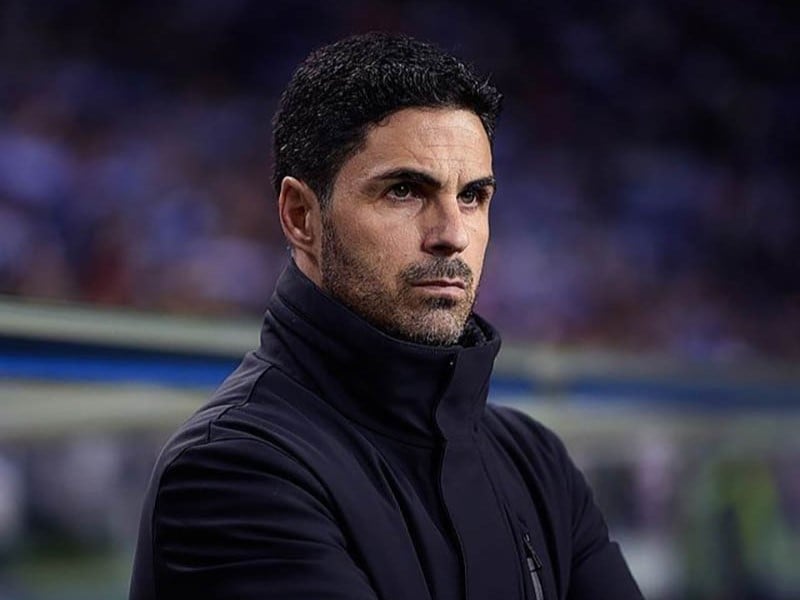
Mikel Arteta described the situation as “a new league” after the defeat to Manchester City, and results since have reinforced that idea. With both sides level on 70 points and an identical goal difference, the only separating factor is goals scored, which has pushed City ahead. This comes after Arsenal spent 209 days leading the table, only to be overtaken with five matches remaining.
Opportunities to build a decisive advantage have slipped away. At one stage, the Gunners could have stretched their lead to 12 points, but consecutive losses to Bournemouth and City disrupted their rhythm. Their recent record of six wins in 13 league matches highlights a clear drop in consistency, allowing the title race to swing in their rival’s favour.
Despite this, Arteta maintains that the outcome is still undecided. However, the shift in momentum has increased scrutiny on Arsenal’s approach, particularly as the margin for error disappears in the closing stretch of the season.
Attacking approach under scrutiny
There is growing discussion about whether Arsenal should abandon their cautious style and play more aggressively. Former striker Wayne Rooney pointed out that title races can hinge on goal difference, recalling how his manager once encouraged relentless attacking even when matches seemed secure.
Arsenal have often relied on narrow victories, winning 10 league games by a single goal this season—nearly half of their total wins. While such results can still lead to a title, Rooney suggested a more expansive approach may now be necessary, urging the team to push for larger winning margins rather than protecting slim leads.
Player selection has also come into focus. Kai Havertz has been trusted by Arteta for his link-up play and ability to hold possession, but his missed chances in a crucial match highlighted the lack of a natural finisher in key moments. Balancing control with cutting edge in attack could prove decisive in the remaining fixtures.
Numbers highlight fine margins
Statistically, Arsenal’s campaign stands out for its relatively modest attacking output. They are averaging 1.15 goals from open play per game and need nine more in their final five matches to avoid setting a record low for a title-winning side in that category.
Their overall scoring rate of 1.91 goals per game would also be unusually low for champions, potentially the lowest since Leicester’s triumph. Additionally, only 60% of their goals have come from open play, another figure that would mark a historic low if they secure the title.
Goal difference further underlines the tightness of the race. Arsenal’s current +37, averaging just over one goal per match, projects to around +43 by season’s end—below the typical standard for champions. Historically, title winners average a +50 goal difference, with far higher peaks in dominant seasons.
Psychological factors in the run-in
From a mental perspective, a drop in intensity may have contributed to Arsenal’s recent struggles. A sports psychologist suggested that as the team built a commanding lead earlier in the season, their urgency declined, with players subconsciously easing off as the finish line approached.
This dip was evident when Arsenal were nine points clear, as their tempo slowed and their aggression without the ball diminished. Only when under pressure did their usual intensity return, indicating a possible lapse in focus during a critical phase.
Now sitting second for the first time in months, the emotional stakes are rising. The upcoming matches will test not only their tactical approach but also their mentality. While narrow wins have kept them competitive, the small gap in goal difference means a more assertive style could be crucial.
If Arsenal can rediscover their sharpness and attacking freedom, there is still a belief they can finish strongly. The challenge is whether they can raise both their performance level and mindset at the most decisive point of the season.